
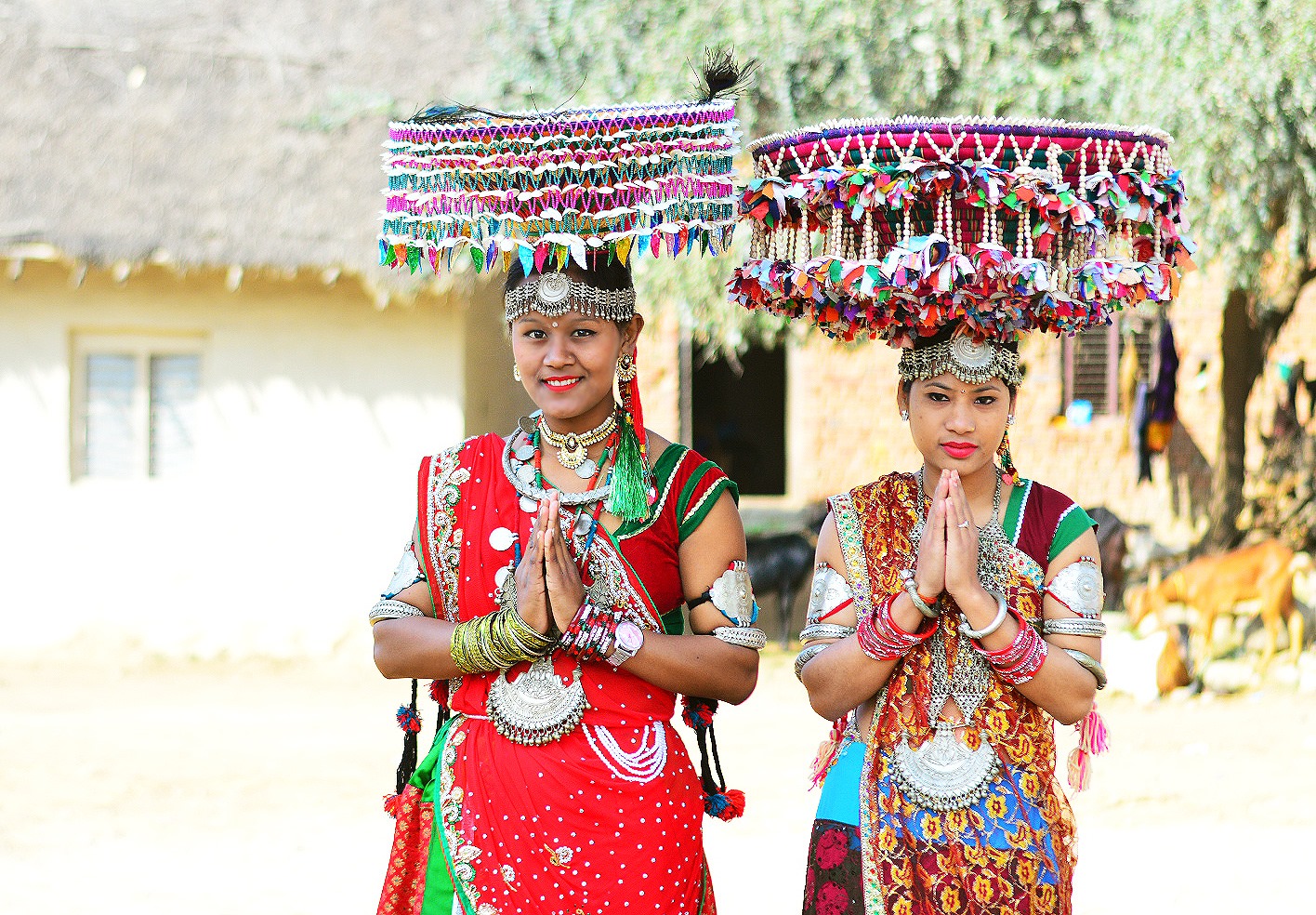

In a world searching for “green” solutions and “eco-friendly” lifestyles the answer doesn’t always lie in new technology. Sometimes, the future is hidden in the ancient rhythms of the past. In the wild heart of Bardiya, the Tharu community has been practicing what we now call “sustainable living” for centuries. They don’t call it a movement; they simply call it life.
At Tiger Track, our philosophy of Rammed Earth construction is a direct tribute to this indigenous wisdom. To live with the Tharu is to learn that the earth is not just a resource, but a relative.
- Architecture That Breathes
While modern cities trap heat in concrete boxes, a Tharu village stays cool. Built from a mixture of clay, rice husk, and straw, their homes are the original “passive cooling” systems. The Tharu practice of Leeba the ritual hand-plastering of walls creates a thermal mass that keeps interiors chilly in the blistering Terai summer and cozy during the winter.
At Tiger Track, we have taken this indigenous DNA and evolved it into our Rammed Earth walls. It is a bridge between generations: showing that you can have international-standard luxury without cutting down a single forest or burning a thousand bricks. - The Art of the Zero-Waste Kitchen
For the Tharu, “Farm to Table” isn’t a marketing slogan; it’s the only way they’ve ever eaten. Their diet is a celebration of biodiversity. From Ghongi (water snails) harvested from local streams to Dhikri (steamed rice cakes), every meal is seasonal and locally sourced.
Nothing goes to waste. Rice straw becomes mats (Sutari), river grass becomes beautiful baskets (Dhakki), and even the husks from the grain are used to reinforce the walls of their homes. This circular economy is the ultimate lesson in sustainability—taking only what you need and giving back what you use. - Coexisting with the Giants
Living in the Khata Corridor means sharing a backyard with tigers, rhinos, and wild elephants. While the modern world often views nature as something to be conquered or fenced off, the Tharu have mastered the art of coexistence. Their folklore, songs, and daily habits are designed to respect the boundaries of the wild. This deep ecological intelligence is what has kept Bardiya’s forests alive and thriving. - Preserving the Heartbeat
Sustainable living is also about cultural sustainability. When we support local Tharu farmers, weavers, and guides, we aren’t just buying a service; we are ensuring that their knowledge isn’t lost to the grey tide of modernization.
When you see a young Tharu girl learning to weave a Dhakki or a young man explaining the medicinal uses of forest herbs, you are seeing the survival of a library of human wisdom.
A Call to Return to Earth
Sustainable living with the Tharu community teaches us a profound lesson: Luxury is not about how much you consume, but how well you belong to the land.
At Tiger Track, we invite you to step away from the concrete and the plastic. Come and walk the dusty paths of a Tharu village. Feel the texture of a hand-plastered wall. Taste the earth in the food.
The future isn’t something we need to build from scratch; it’s something we need to remember. Come back to the earth. Learn from the Tharu. Experience the soul of Bardiya.
0 Comment